5 Neighborhoods in Rome You Have to Visit (Areas Outside the City Center)
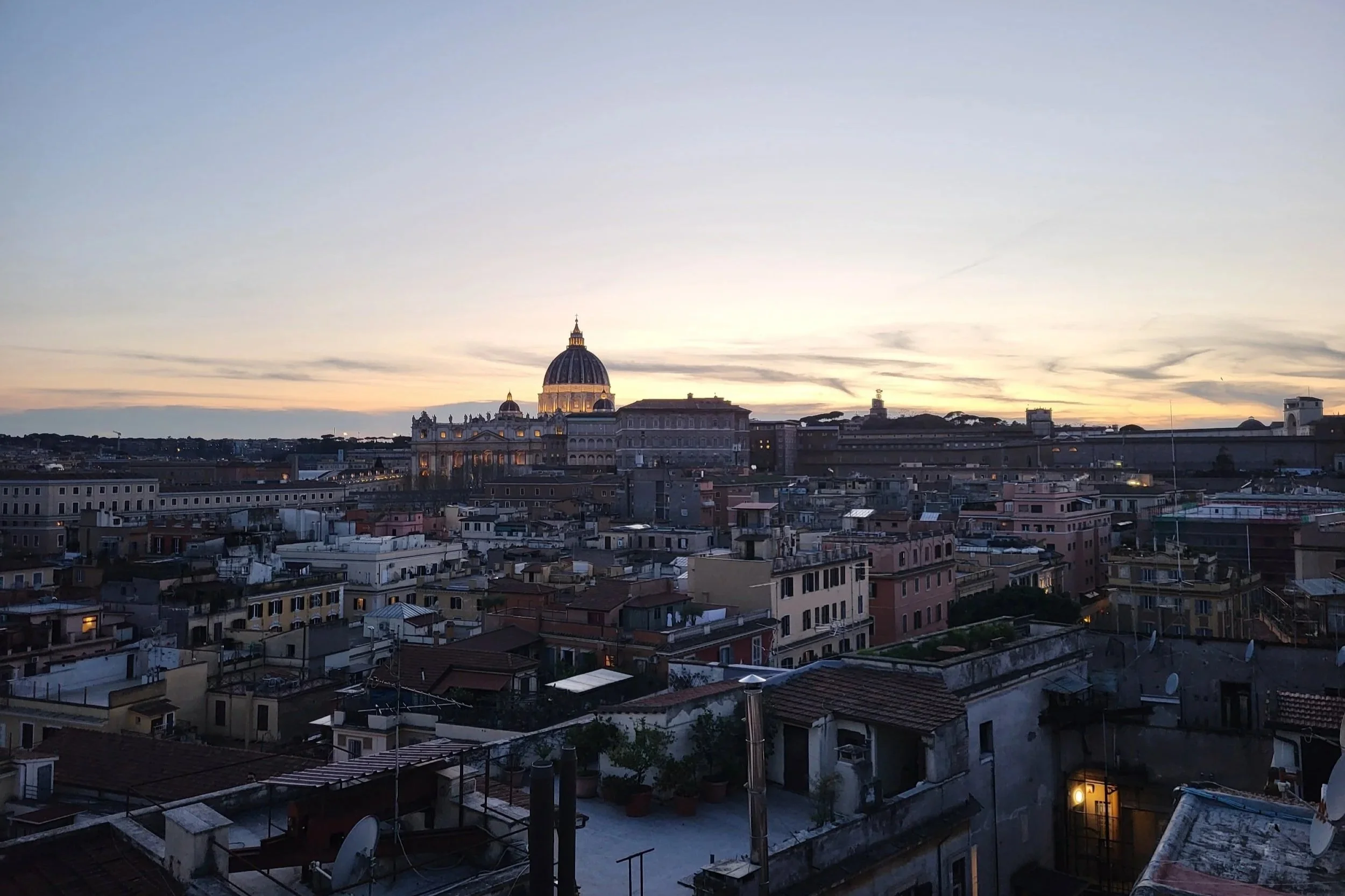
As anyone might have guessed by now, I really, really love Rome. Contrary to what people might think, I actually find myself rarely in the center. I am not a huge fan of crowds, and the historic center of Rome can get, as you can imagine, quite crowded, to say the least.
Thankfully, Rome has some amazing neighborhoods outside the city center that are, if you ask me, absolutely worth a visit. If you want to see Rome from a different perspective, or if you find yourself in the city for a longer period of time, these are the must visit neighborhoods for an experience that goes beyond the standard tourist one.
Ostiense
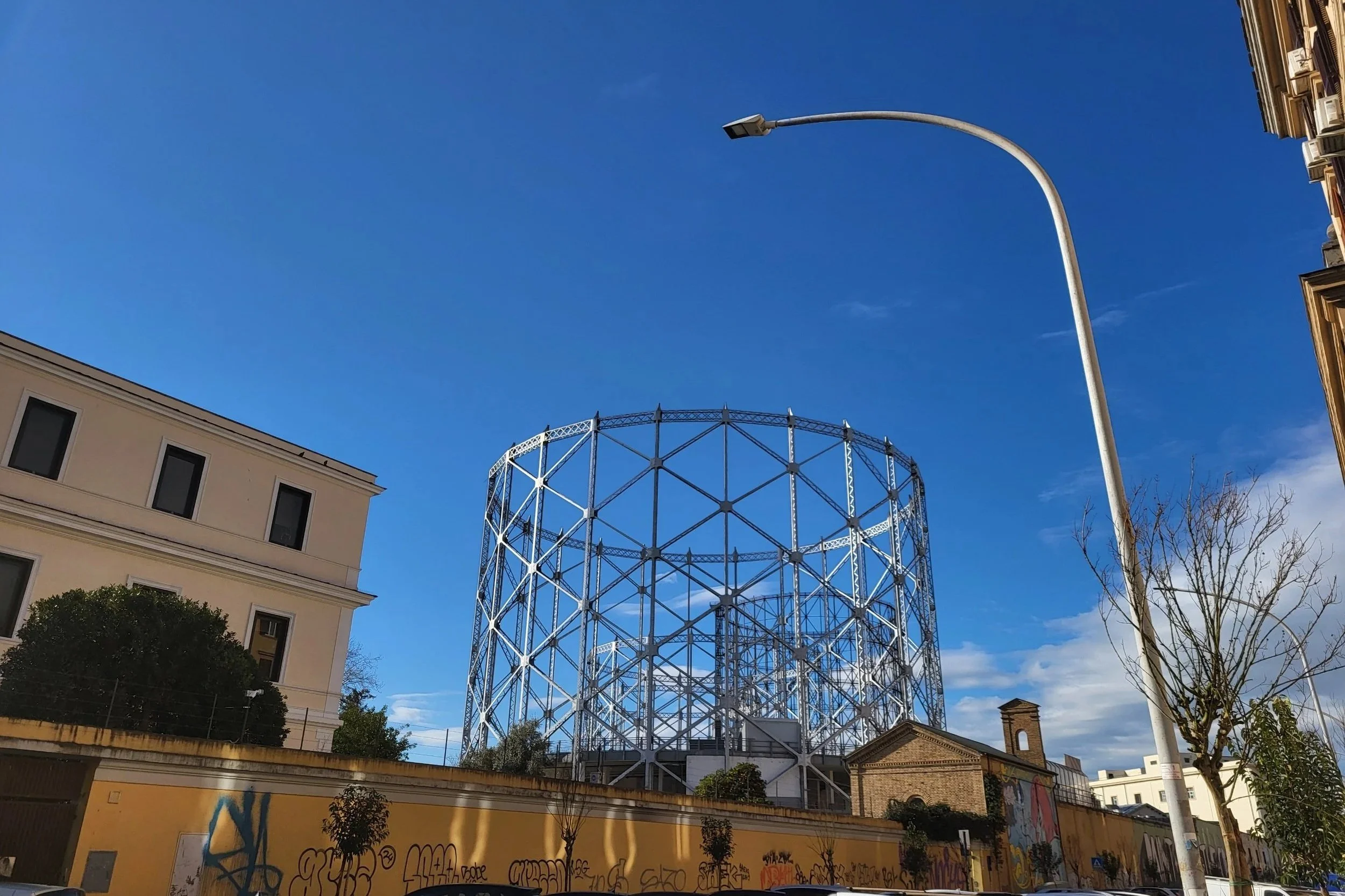
Ostiense is one of my favourite neighborhoods in Rome, and I always suggest it when people come to visit. In the late nineteenth and early twentieth century, Ostiense was an industrial district. Over time, many factories and warehouses were abandoned and later transformed. Today, you can find cultural hubs, galleries, and amazing food spots, which makes it a very vibrant and creative area.
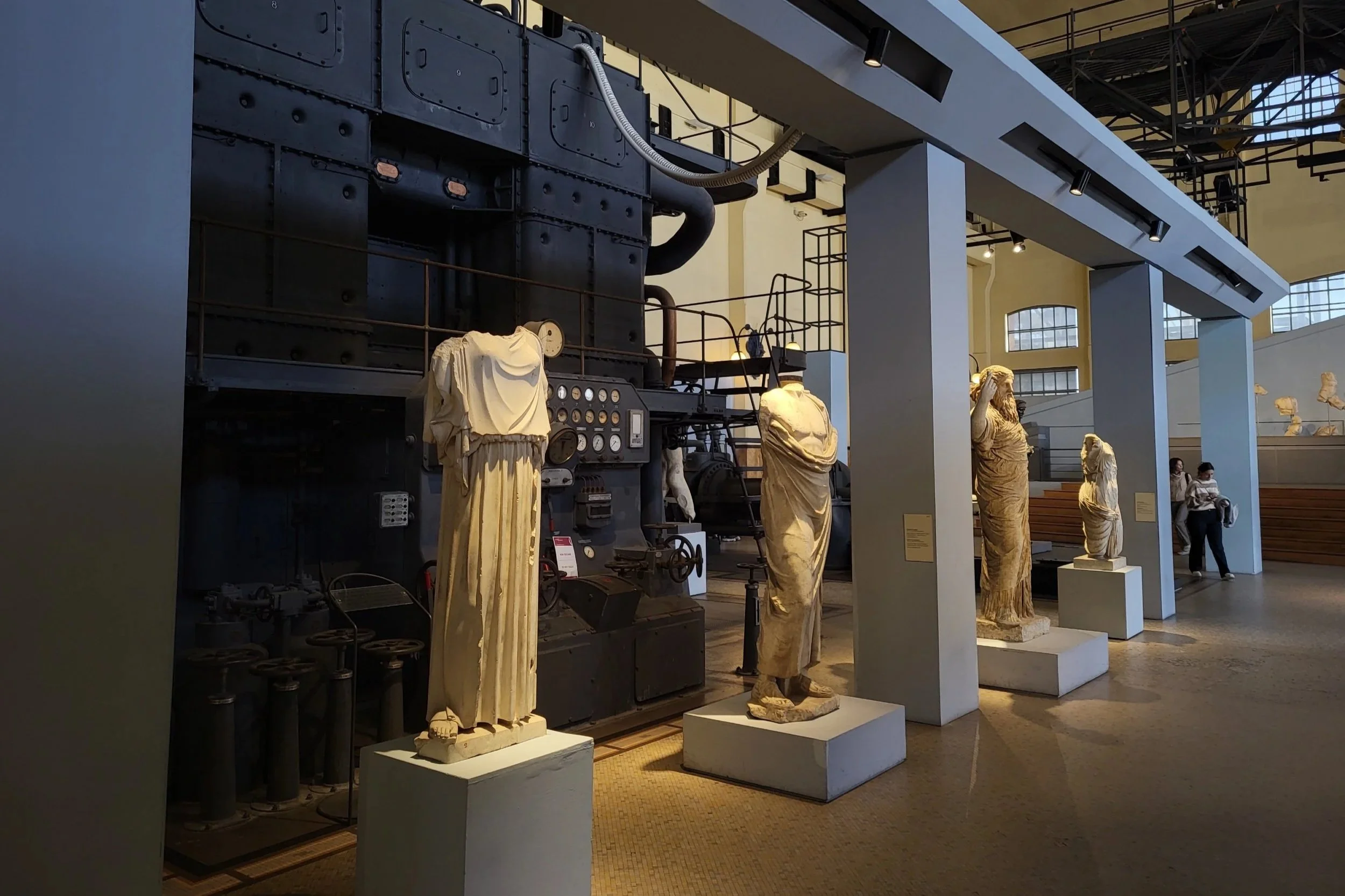
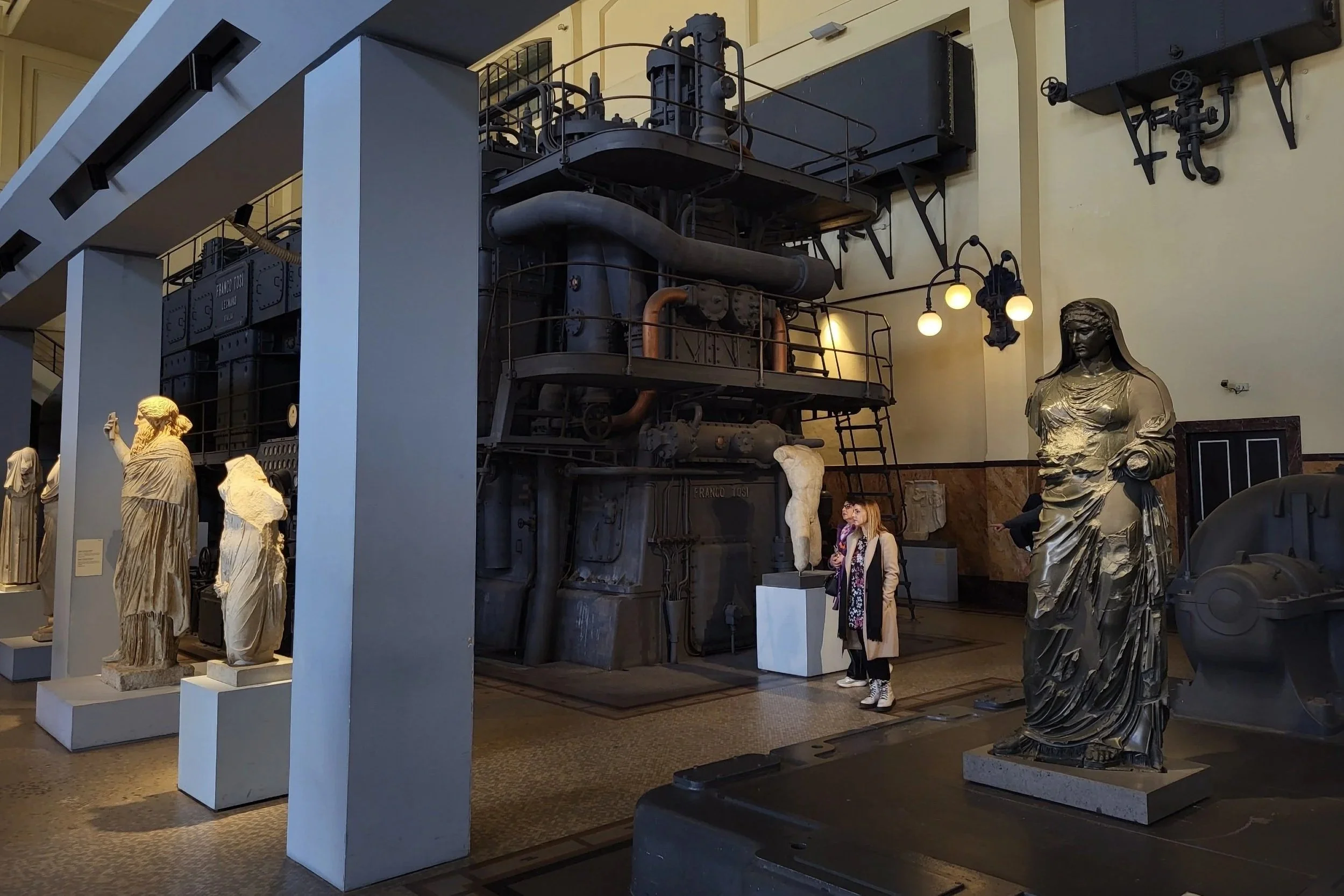
One of my favourite museums, Centrale Montemartini, is located here. A former thermoelectric power plant was turned into a museum, creating a truly unique atmosphere. Also, my favourite vegan bakery, Julietta’s (no, I am not biased because of the name), is located here, and that alone makes Ostiense worth a visit.
You can reach Ostiense by taking metro line B to Piramide and exploring the area on foot from there. The neighborhood is filled with street art, and combined with the industrial architecture, a trip to Ostiense is always inspiring. It is a great place to take pictures, and I highly recommend visiting.
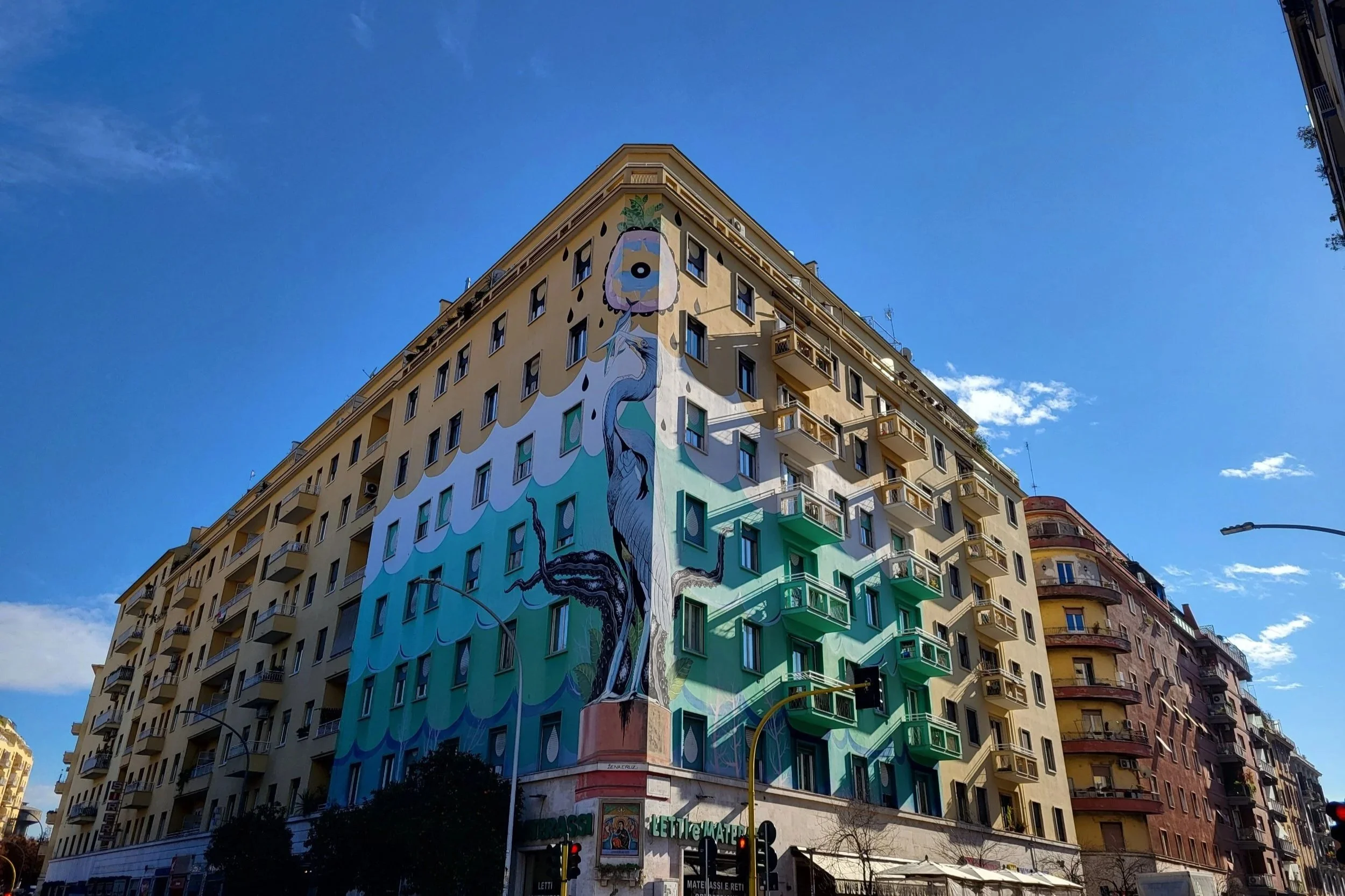
If you want more details, I have written a complete guide about Ostiense with additional must-see spots, which I definitely recommend checking out.
EUR
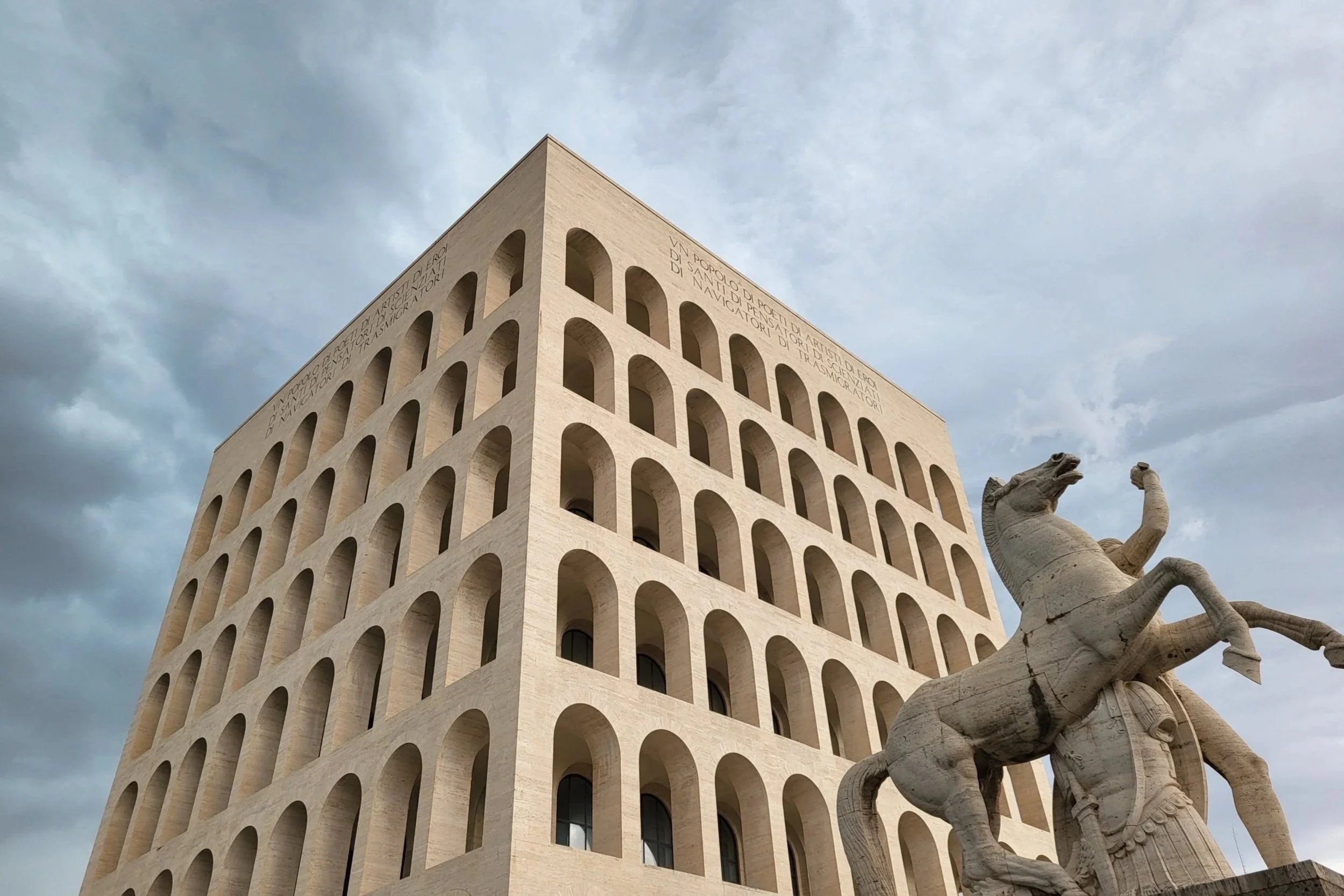
Next on the list is the EUR neighborhood, which is also the one furthest away from the center. It is located on metro line B, just a bit further out than Ostiense.
This area is definitely not everyone’s taste, but I actually think it is really cool and has its own charm. When you think about Rome, EUR is probably not what first comes to mind. While the historic center is filled with small, cosy streets, EUR is built in a rationalist architectural style, combining classical elements with modernism. The streets are much broader, and the enormous Fascist-era buildings give the whole area a slightly dystopian feel, which, to be completely honest, originally gave me the creeps.
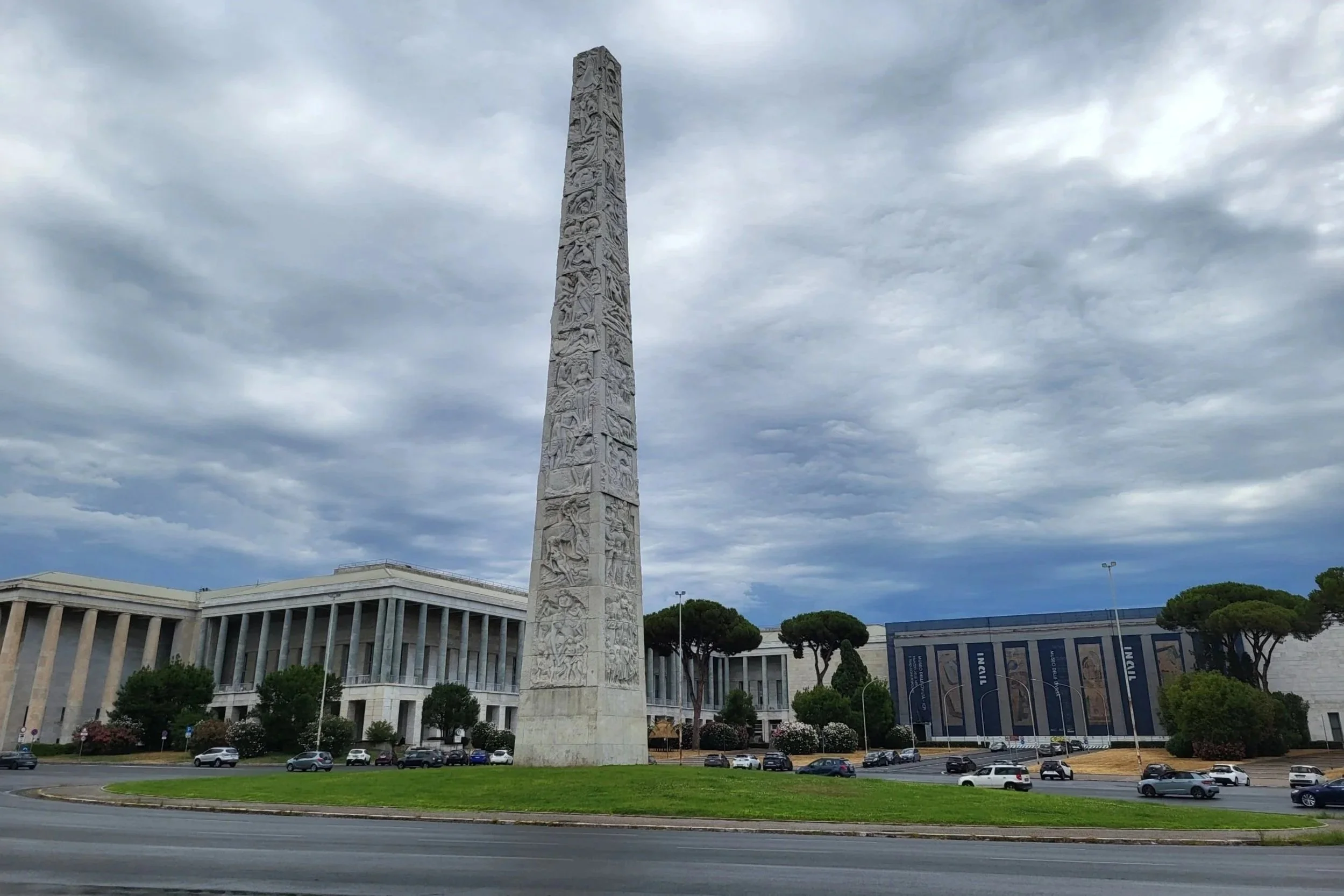
Today, EUR is a residential neighborhood and one of the main business districts of Rome. Originally, however, it was created in the 1930s to host the 1942 World’s Fair, which Benito Mussolini planned as a celebration of twenty years of Fascism. The name EUR comes from Esposizione Universale Roma, meaning “Rome Universal Exposition.” Because of the Second World War, the exhibition never took place, and the district later developed into the business area it is today.
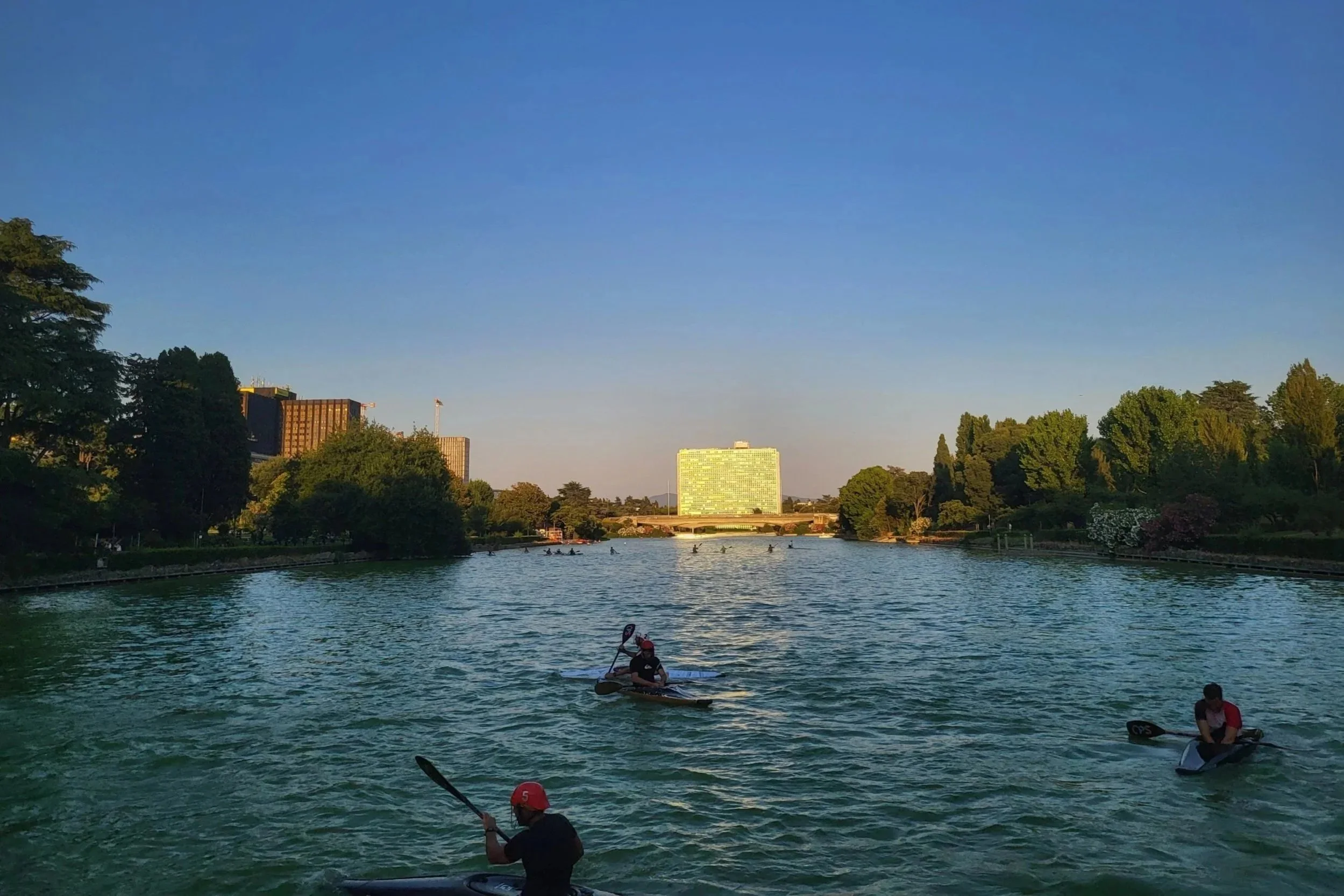
Famous sights in this area include the Palazzo della Civiltà Italiana, often called the “Square Colosseum,” the Basilica dei Santi Pietro e Paolo, and the beautiful park with its artificial lake. EUR is also home to several interesting museums, and you can easily spend a full day exploring this part of the city.
Just like Ostiense, I have written a more extensive guide about EUR. So if you are curious about visiting this slightly dystopian side of Rome, I highly recommend checking that out.
Trieste
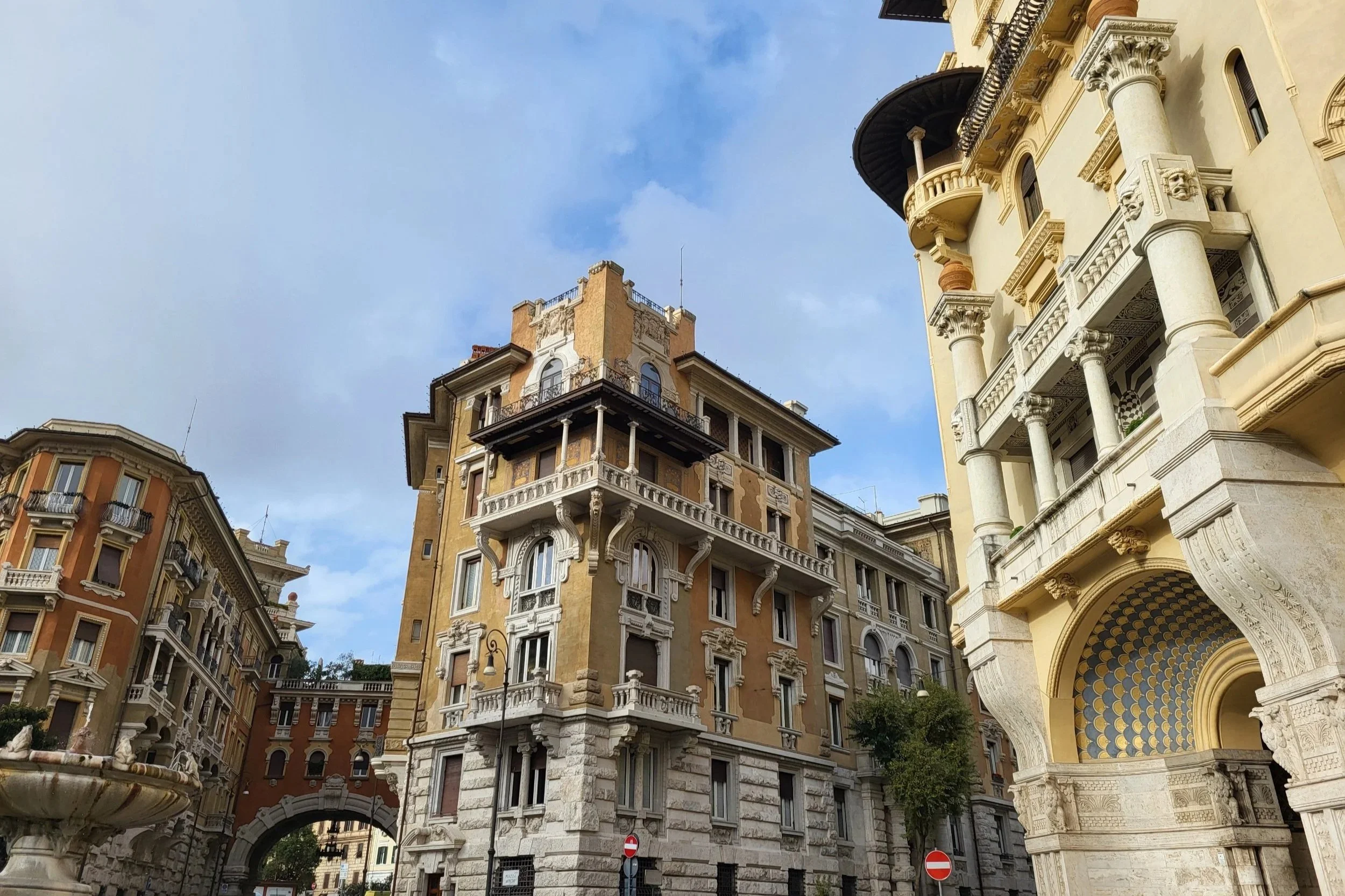
The Trieste area of Rome is located northeast of the historic center and is one of the lesser known parts of the city. I would describe it as elegant, quiet, and authentic. Trieste has a mix of culture, interesting architecture, green areas, and of course local Roman life. I personally spend quite a bit of time in this neighborhood, and I think it is perfect for a meetup with friends or a little escape into nature.
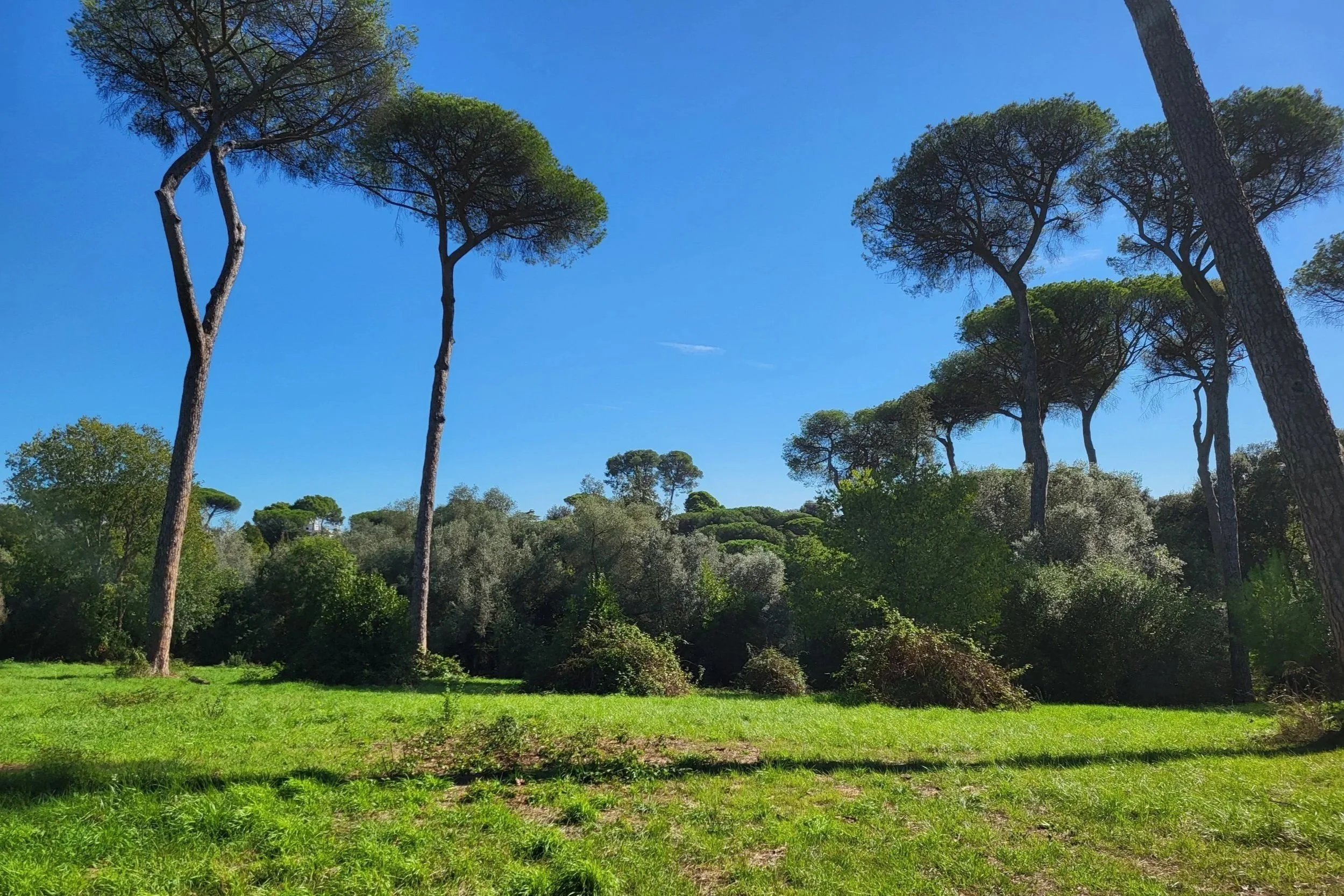
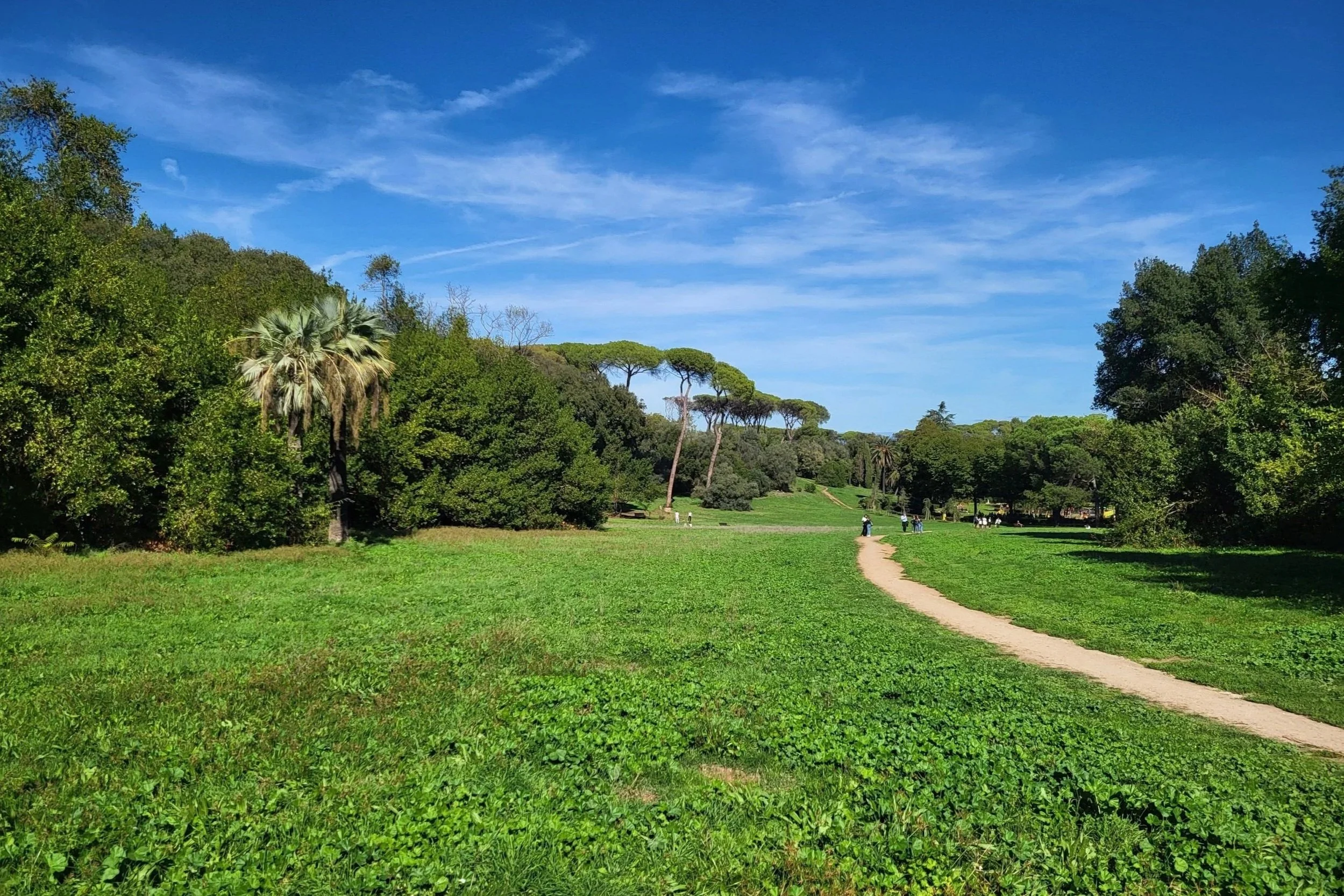
Trieste is quite a large area, and on its borders you can find two beautiful parks: Villa Ada and Villa Torlonia. Villa Torlonia is a bit smaller but has several museums that are worth visiting, while Villa Ada is one of the biggest parks in Rome and even has areas that feel more untamed and wild. I am personally a big fan of Villa Ada. It is perfect for a picnic with friends or family.
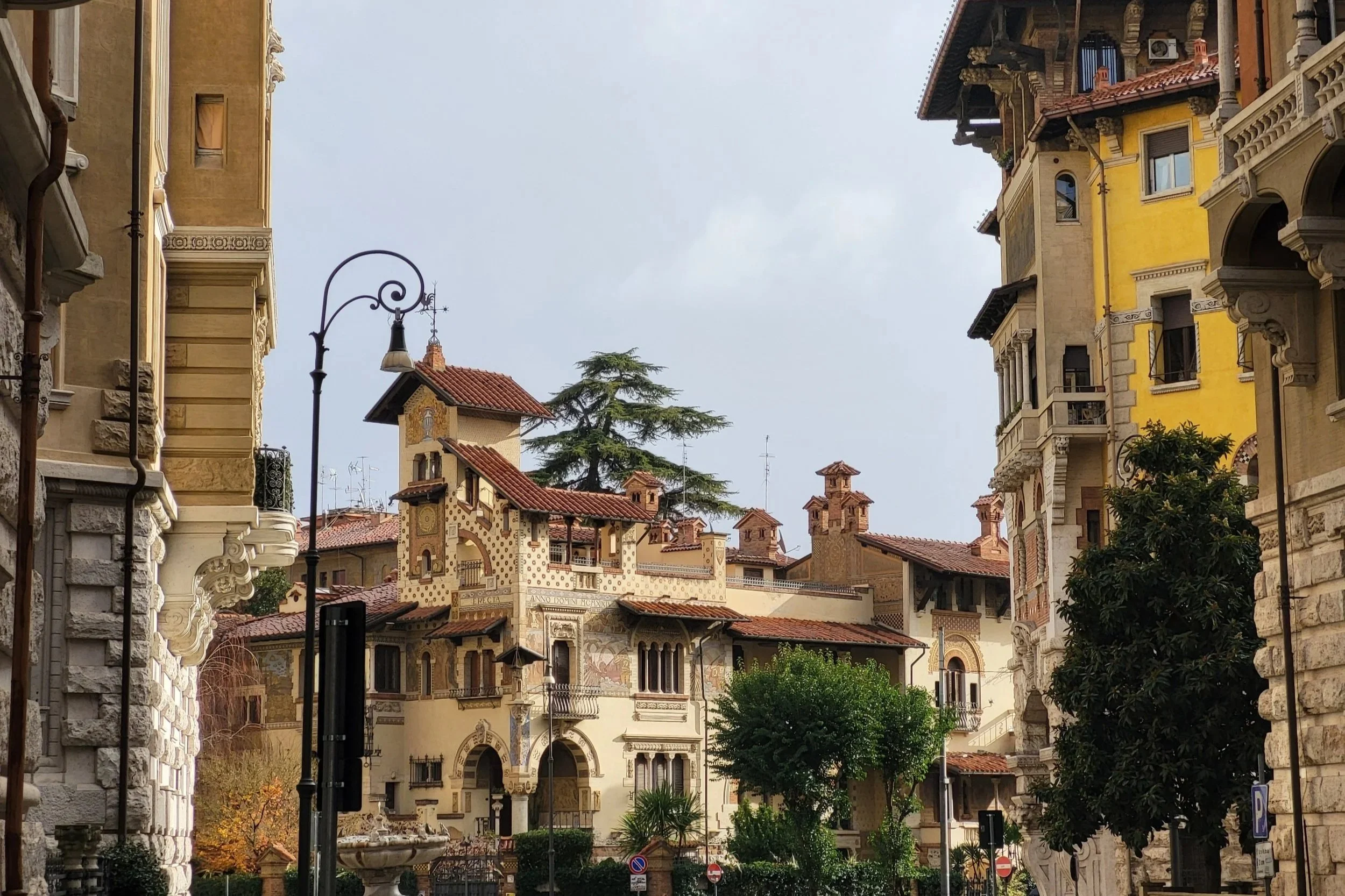
Besides the parks, one of the biggest highlights in Trieste is Quartiere Coppedè, a small district filled with whimsical Art Nouveau architecture that makes you feel like you stepped into a fairytale. It feels like a hidden gem, and especially in the off season you will not find many tourists here.
If you are looking for something more relaxed, Trieste also has a cinema that shows English-language movies, and a large shopping street with both well-known and lesser known stores. In general, I think this area offers a great insight into everyday Roman life. And if you are considering where to stay in Rome, this neighborhood would be high on my list, especially because it feels very safe.
Reaching Trieste is very easy, also metro line B (I sense a pattern). From Termini it is just a few stops. I suggest getting off at Sant’Agnese Annibaliano or Libia and exploring the area on foot from there.
Pigneto
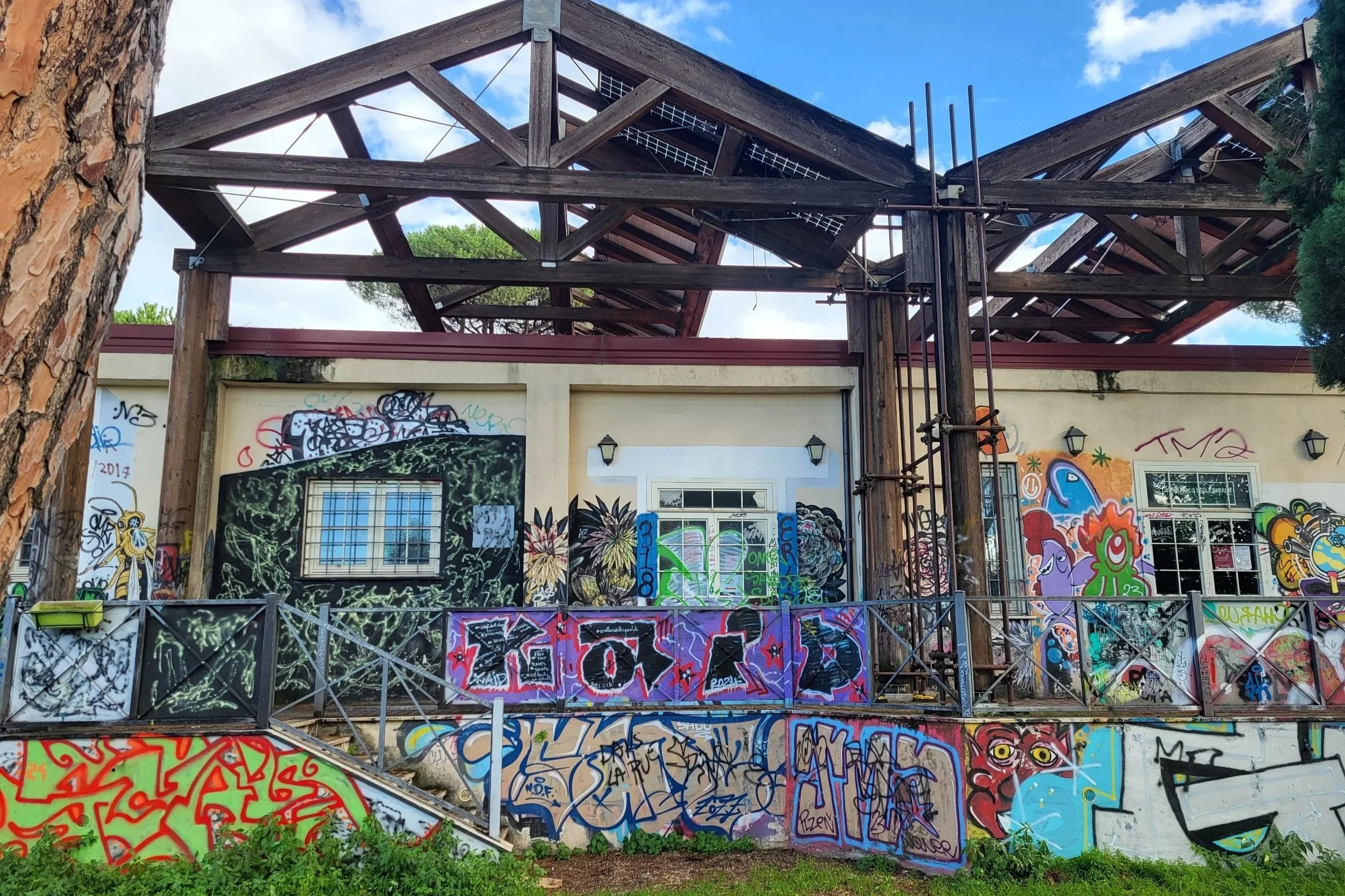
Now we have arrived at a soft spot in my heart, because my Roman adventure started in Pigneto and I lived here for seven months. Pigneto feels like a classic once working class neighborhood that has transformed into a vibrant hub for students and artists. It has a strong personality, and I often think of it as the Berlin of Rome. If you have been to Berlin, you might understand what I mean.
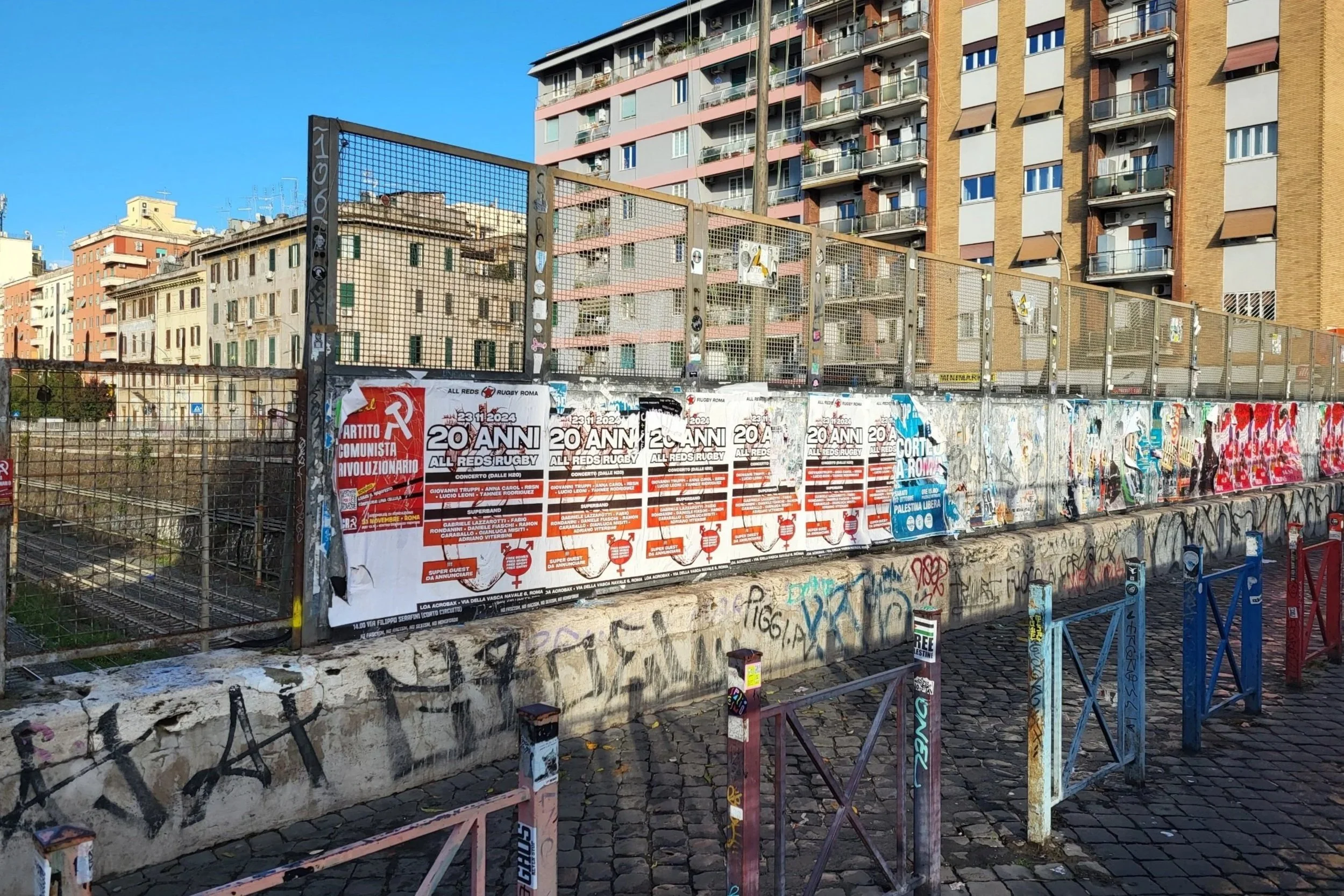
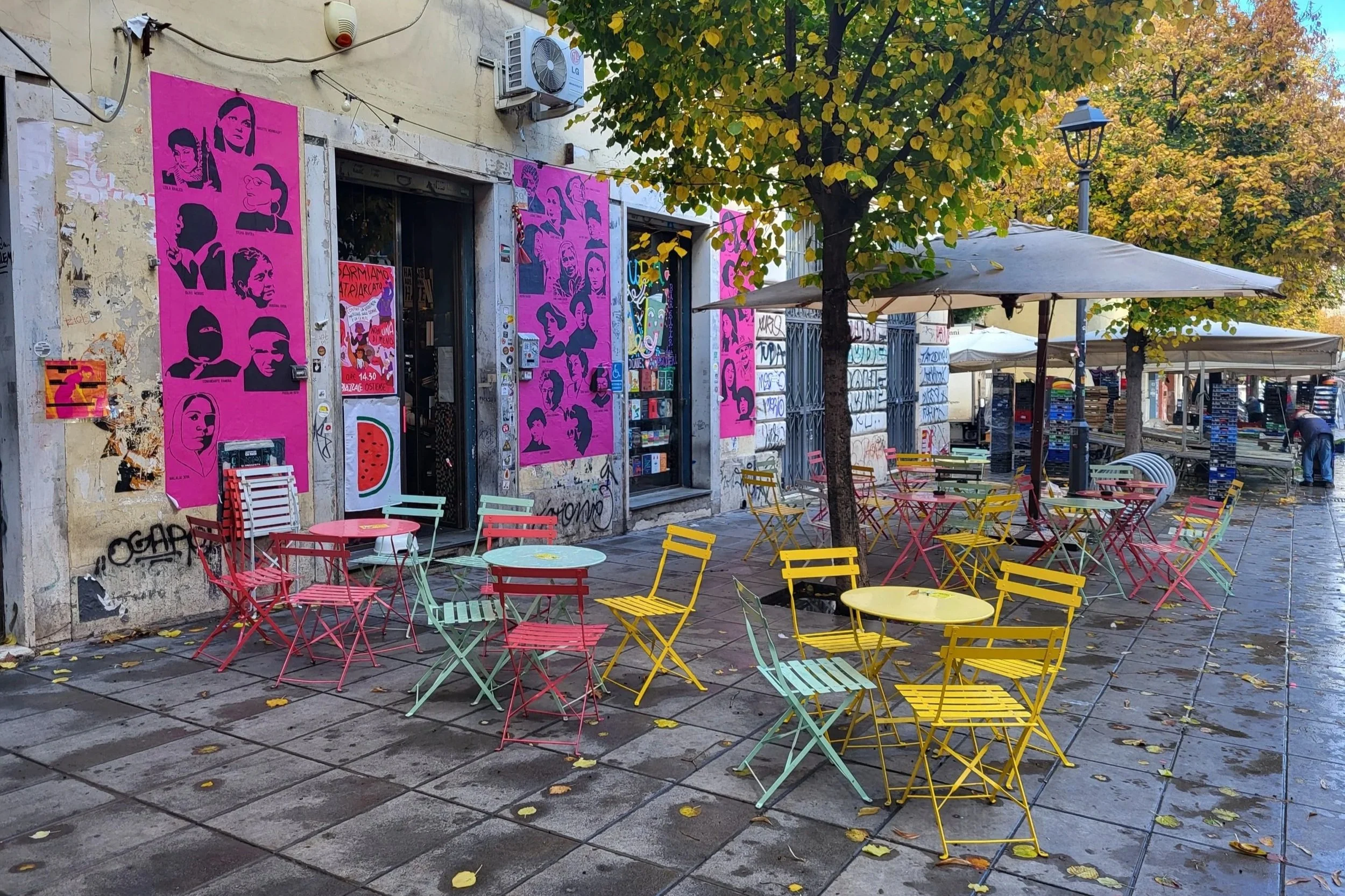
While Pigneto is fun to explore during the day, especially because of its street art, it is best known for its nightlife. Thanks to its proximity to Sapienza University, it is a favourite hangout spot for students, with countless bars, restaurants, and cultural spaces that stay open late into the night. The heart of the neighborhood is Via del Pigneto, a street filled with places to eat and drink. If you are in Rome and looking for an authentic spot to go out at night, I highly suggest Pigneto.
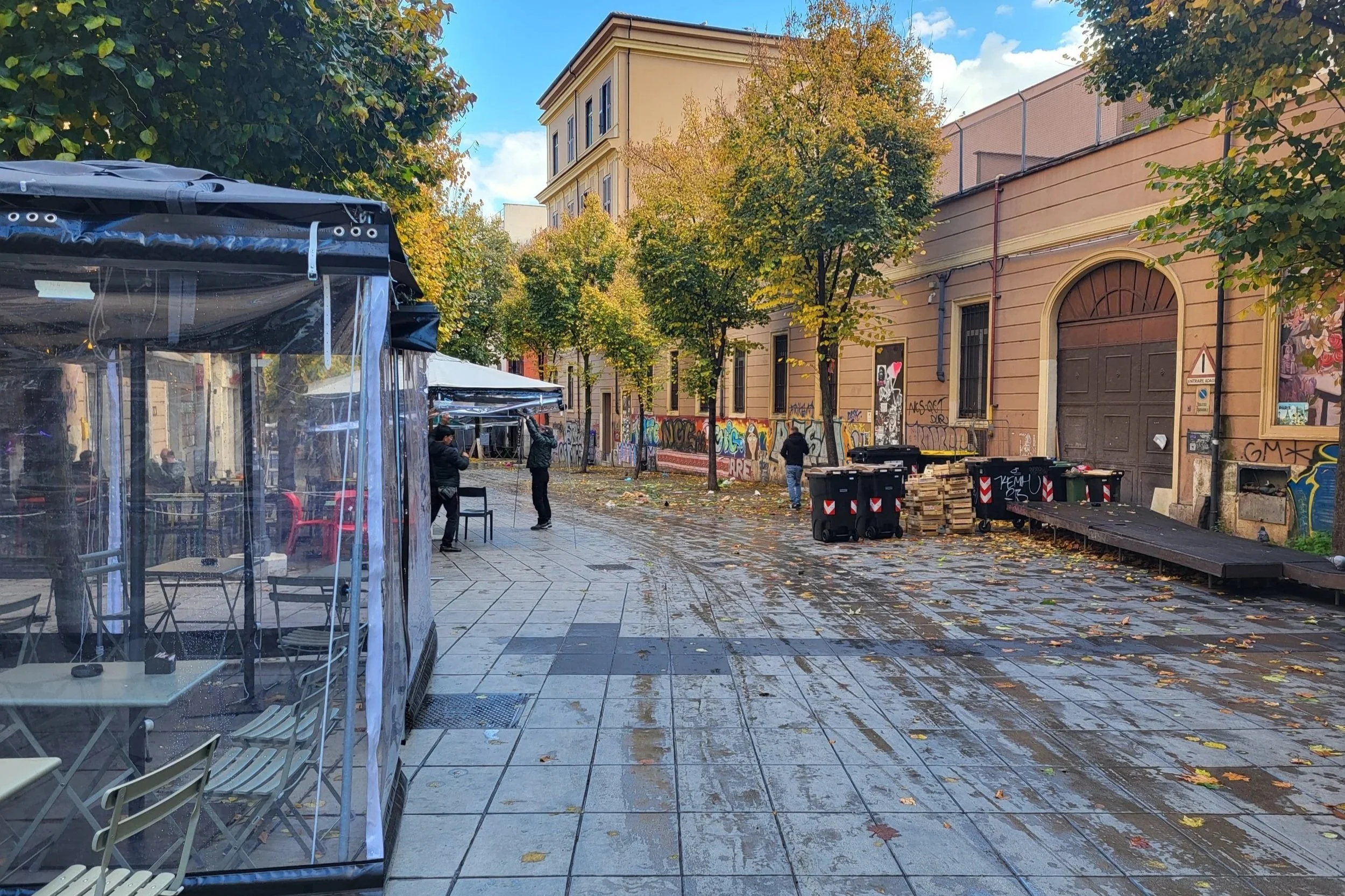
But there is more than just nightlife. The area also has a nice park, Parco delle Energie, and one of the defining features of the neighborhood is its street art, which you will find almost everywhere, including inside the park itself. Compared to the other neighborhoods on this list, Pigneto is not on metro line B but on metro line C. Recently, the metro C connection opened at the Colosseum, which makes it much easier to reach from the historic center.
And if you need more information about how public transport works in Rome, I have written a full public transport guide that you can check out.
San Lorenzo
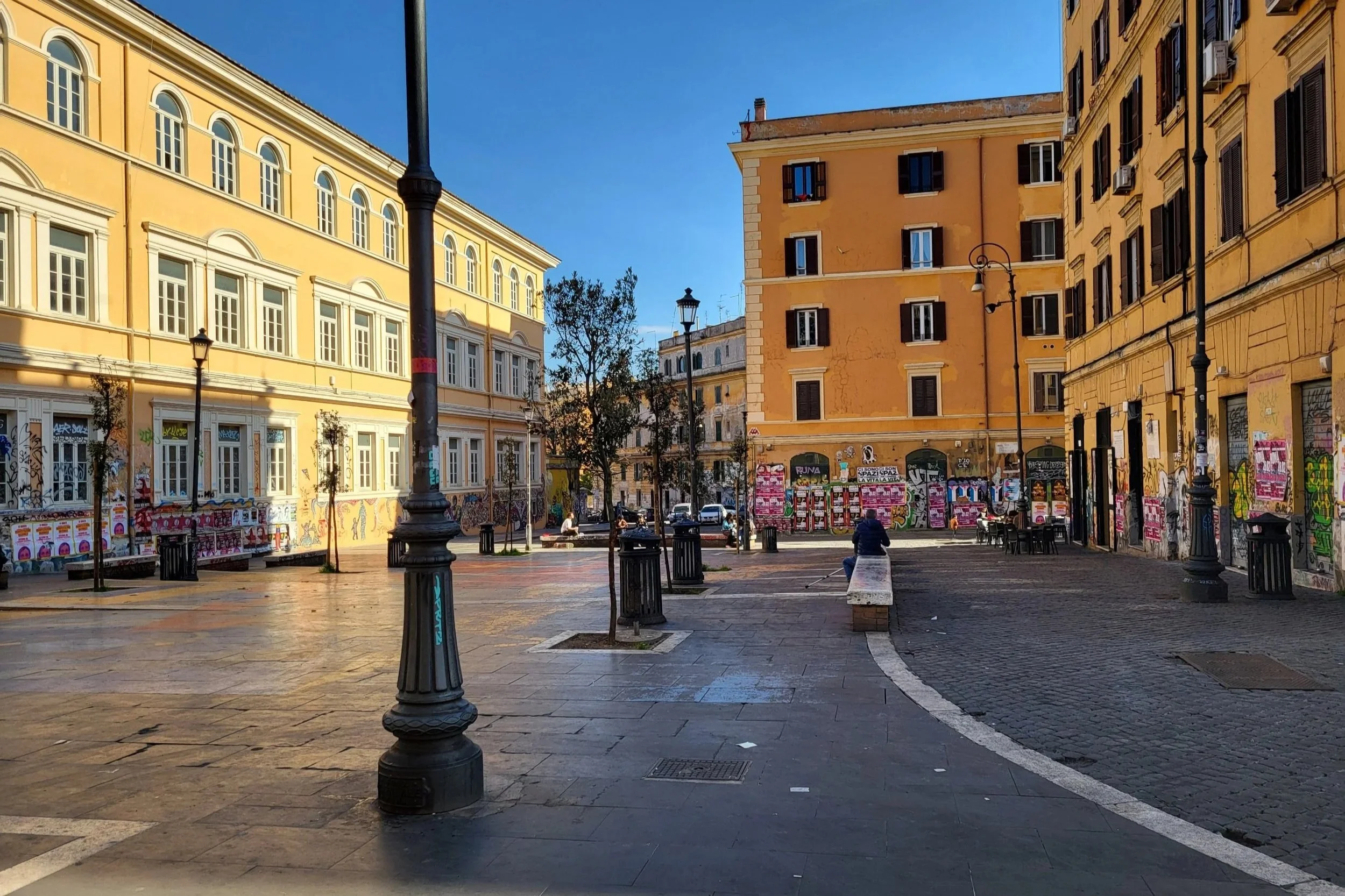
Last but not least is San Lorenzo, an area every Sapienza student will know. Located between Termini and Sapienza University, it is a very popular spot for an aperitivo with friends. Like Pigneto and Ostiense, San Lorenzo stands out as one of Rome’s creative hubs, with artists, galleries, and street art spread throughout the neighborhood.
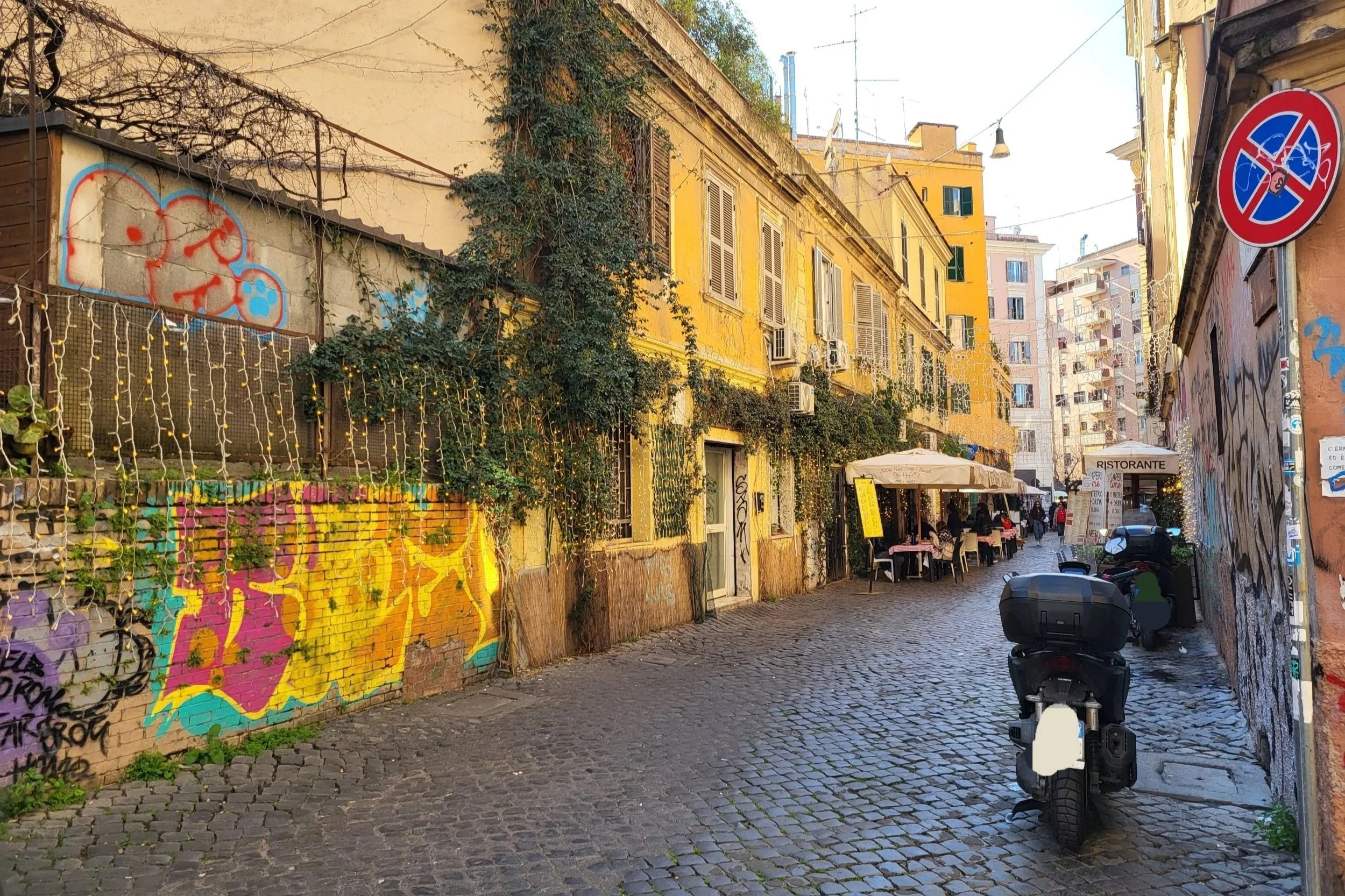
I would definitely say San Lorenzo has a bit of a rebellious, raw spirit. It feels full of energy and possibility. Because it is a student neighborhood, there are many affordable food and drink spots, and even during the week, the colorful squares transform into lively scenes filled with people enjoying an Aperol spritz late into the night.
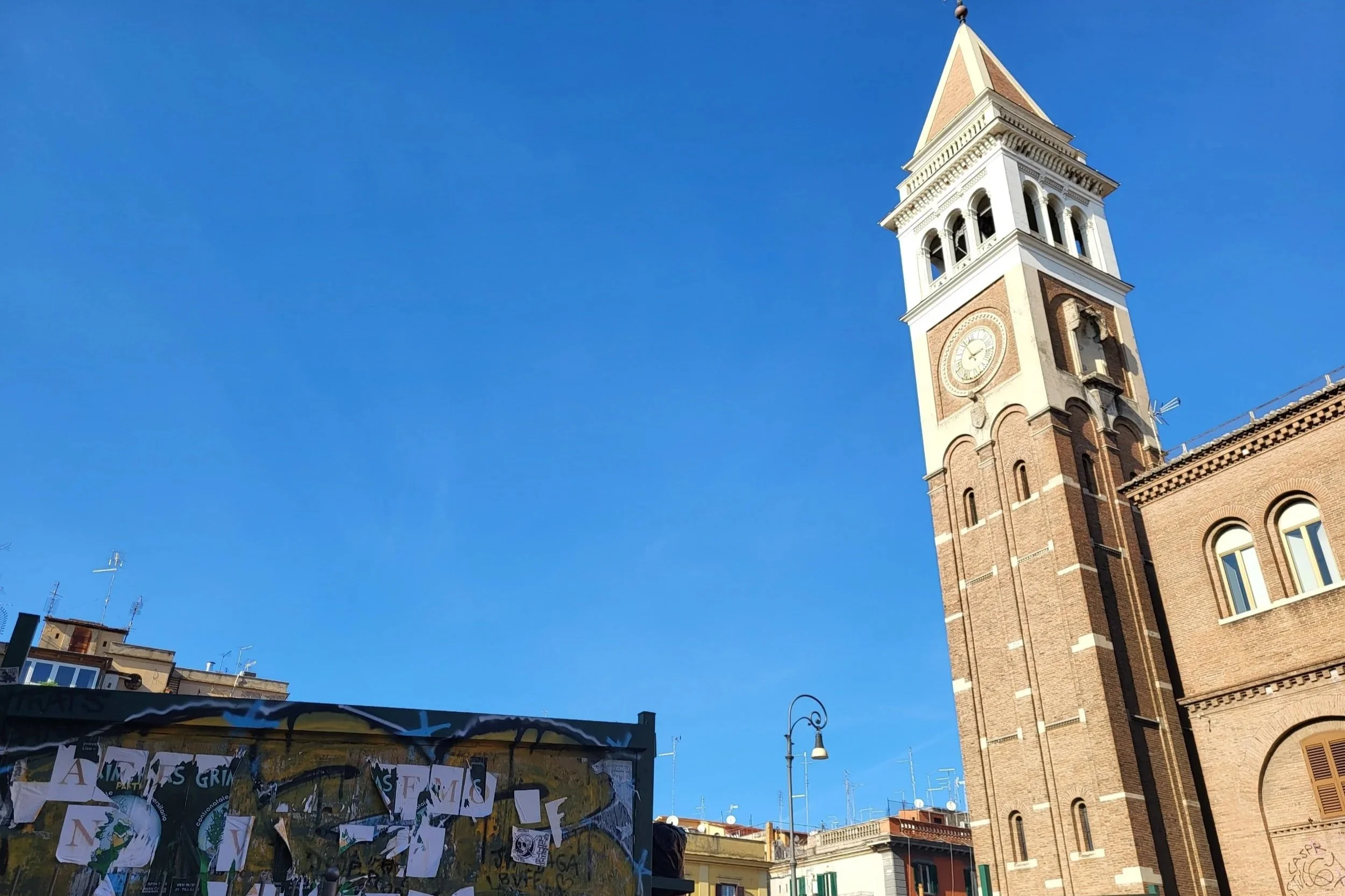
When it comes to landmarks, one of the most important sights in the area is the Basilica of Saint Lawrence Outside the Walls, one of Rome’s oldest Christian churches, dating back to the fourth century. That said, San Lorenzo is, in my opinion, best experienced in the evening when the atmosphere really comes alive. I would not say it is the safest area in Rome, so just keep that in mind, especially if you are visiting alone at night.
Conclusion
I hope with this blog post I could inspire you to visit some of these amazing neighborhoods in Rome. They might not be the historic center filled with monuments, but they are authentic and very much a part of what makes Rome so special.
If you find yourself in Rome, let me know if you end up visiting any of these areas. They all have such different atmospheres and offer something unique. And if I missed your favourite neighborhood in Rome, please tell me in the comments. I am always looking for new spots to explore.
